„Mit Podcast-Aufnahmen hatte ich null Erfahrung und war unsicher, was kommt. Das Ergebnis klingt wirklich professionell, die Zusammenarbeit lief angenehm unkompliziert."
Berlin
Podcast & Interview · Deutschland
Kondensatormikrofon, Kamera und Videoschnitt — alles aus einer Hand. Faire, transparente Konditionen, ohne Tonstudio-Aufpreis. Persönlich betreut und ausschließlich deutschlandweit tätig.
Sauber mikrofoniert, akustisch vorbereitete Umgebung, fertig abgemischt — sofort nutzbar. Ideal für Podcast-Produktion, Oral-History-Projekte und jede Form von Gesprächsdokumentation.
Bild und Ton in einem Durchgang. Ruhige Kameraführung, gezielte Lichtsetzung — geeignet für Unternehmensporträts, Dokumentationen und persönliche Videoprojekte.
Rohmaterial da, aber keine Kapazität für Videoschnitt? Dateien senden reicht — ich strukturiere, schneide und liefere im gewünschten Format. Auch Voice-Over und Remote möglich.
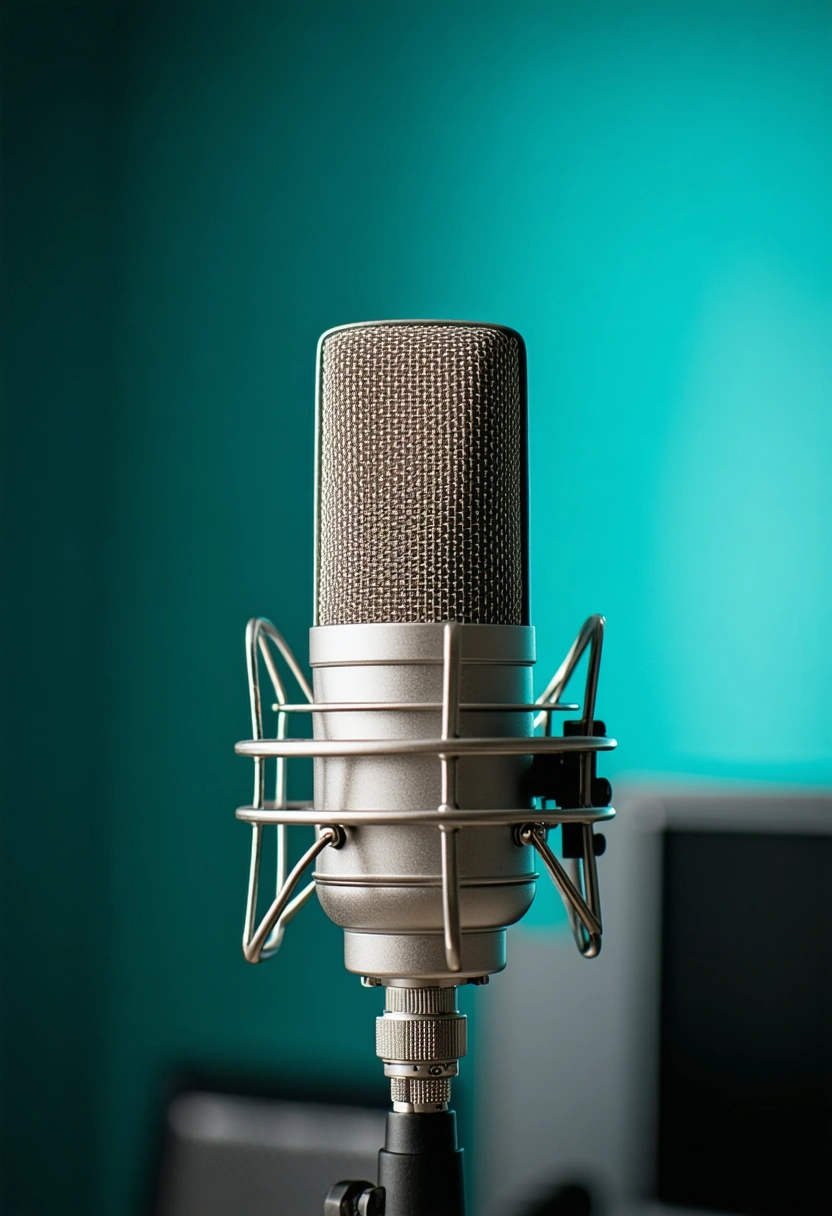
Ich bin Jonas Weber — Privatperson, keine Agentur und kein Tonstudio. Über Jahre aufgebaut: verlässliches Equipment mit Großmembran-Kondensatormikrofon, hochwertigem Audio-Interface und klar auflösender Videotechnik — plus die Praxis, daraus wirklich nutzbare Aufnahmen zu machen.
Gestartet mit eigenen Projekten, dann Aufträge aus dem Umfeld. Schnell war klar: Viele brauchen professionellen Klang, ohne Studiopreise — genau dort bin ich der passende Ansprechpartner.
Aufträge ausschließlich aus Deutschland. Honorar und Ablauf klären wir persönlich. Zahlung per Banküberweisung — ohne Drittdienste.
Der Begriff Interview kommt vom französischen entrevue — „kurze Begegnung", „zeitlich begrenztes Treffen". Im englischsprachigen Journalismus des 19. Jahrhunderts wurde daraus ein eigenes Format. Als erstes dokumentiertes Zeitungsinterview gilt das Gespräch, das James Gordon Bennett 1836 in New York führte.
Was früher eine Ausnahme war, ist heute das gängigste Format zur Wissensvermittlung. Podcast, Unternehmensvideo, Zeitzeugen-Bericht, wissenschaftliches Gespräch — überall steckt das Interview dahinter. Das Prinzip blieb. Die Technik drumherum hat sich verändert.
Genau hier setze ich an: Das Gespräch gehört Ihnen. Meine Aufgabe ist klarer Ton und überzeugendes Bild.
Eine kurze Nachricht reicht — was haben Sie vor? Kein Formularzwang, kein Kleingedrucktes. Antwort kommt persönlich.
Format, Termin, Ort oder Remote sowie Honorar — wir klären das direkt und ohne Umwege.
Bei Ihnen vor Ort, bei mir oder vollständig remote — je nach Projektkonstellation.
Die fertige Datei kommt direkt zu Ihnen. Bezahlung nach Absprache per Banküberweisung.
Kein Vorschuss. Keine Vertragsbindung. Alles individuell abgesprochen.
Schwacher Ton ist kein Nebenthema. Er entscheidet, ob jemand weiterhört — oder das Fenster schließt. Hörpsychologie zeigt: Rauschen, Hall und Kompressionsartefakte senken die wahrgenommene Glaubwürdigkeit — unabhängig vom Inhalt. Schlechter Klang lässt Hörer an der Sorgfalt zweifeln.
Das gilt für Podcast-Produktion ebenso wie für Unternehmensfilme oder Oral-History. Wer Relevantes sagt, braucht eine technische Basis, die das trägt. Professionelle Aufnahmetechnik ist kein Luxus — sie ist Voraussetzung.
„Schwacher Klang ist der kürzeste Weg, guten Inhalt zu entwerten."
Deshalb arbeite ich mit Großmembran-Kondensatormikrofonen, die auch leise Stimmen klar erfassen, mit geeigneten Räumen und einem Schnitt-Workflow, der Nebengeräusche und Atemgeräusche schon in der Postproduktion entfernt — bevor die Datei bei Ihnen ankommt.
Ziel: Aufnahmen, bei denen die Technik unsichtbar bleibt — und der Inhalt wirkt. Leistungen im Detail →
„Mit Podcast-Aufnahmen hatte ich null Erfahrung und war unsicher, was kommt. Das Ergebnis klingt wirklich professionell, die Zusammenarbeit lief angenehm unkompliziert."
„Komplett remote — Videomaterial geschickt, der Rest wurde übernommen. Videoschnitt präzise, Übergabe pünktlich. Klare Empfehlung."
„Für unser Vereinsprojekt brauchten wir Zeitzeugen-Interviews — knappes Budget. Die Qualität hat unsere Erwartungen klar übertroffen."
* Rückmeldungen von Auftraggebern. Namen aus Datenschutzgründen abgekürzt. Individuelle Ergebnisse können variieren.
Vorfall im Studio
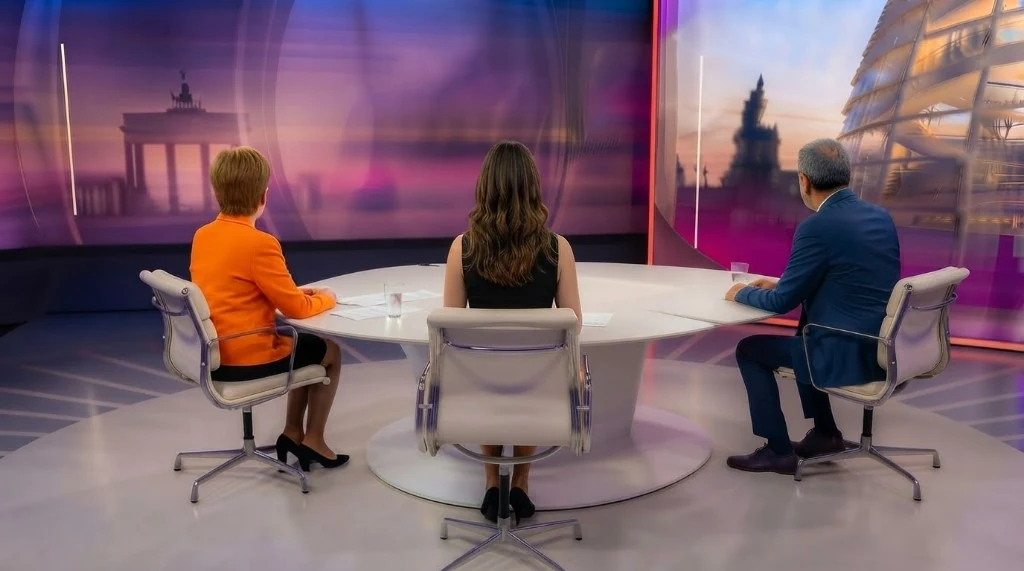
Ein Live-Interview im TV gerät aus dem Takt: Der Gast verlässt das Studio, das Gespräch bricht ab – und plötzlich steht nicht nur der Inhalt im Fokus, sondern Technik, Haltung und Vorbereitung hinter der Kamera. Mikrofon-Positionierung, Akustik, Bildausschnitt, Regieentscheidungen – all das wird im entscheidenden Moment lauter wahrgenommen als das Gesagte.
Solche Vorfälle gehen schnell viral. Sie zeigen, wie gnadenlos Live-Situationen fehlende Vorbereitung sichtbar machen – und wie stark technische Details darüber entscheiden, ob ein Gespräch professionell wirkt oder peinlich. Was im Sendesaal passiert, gilt im Kern genauso für Podcast-Aufnahmen, Audio-Interviews, Unternehmensfilme und Vereinsprojekte: Es gibt selten eine zweite Chance.
„Ein Vorfall im Studio ist immer lehrreich. Er zeigt, was professionelle Vorbereitung verhindert – und warum jede Aufnahme zählt."
Genau hier setzt mein Angebot an: statt ungeplanten Studio-Momenten eine Aufnahme, die technisch vorbereitet ist und Ihnen den Rücken freihält.
Ihre Aufnahme muss kein Risiko sein. Mit sauberer Vorbereitung, passender Technik und klarer Struktur wird aus einem potenziellen Vorfall ein belastbares Ergebnis, das Sie mit gutem Gefühl veröffentlichen können.
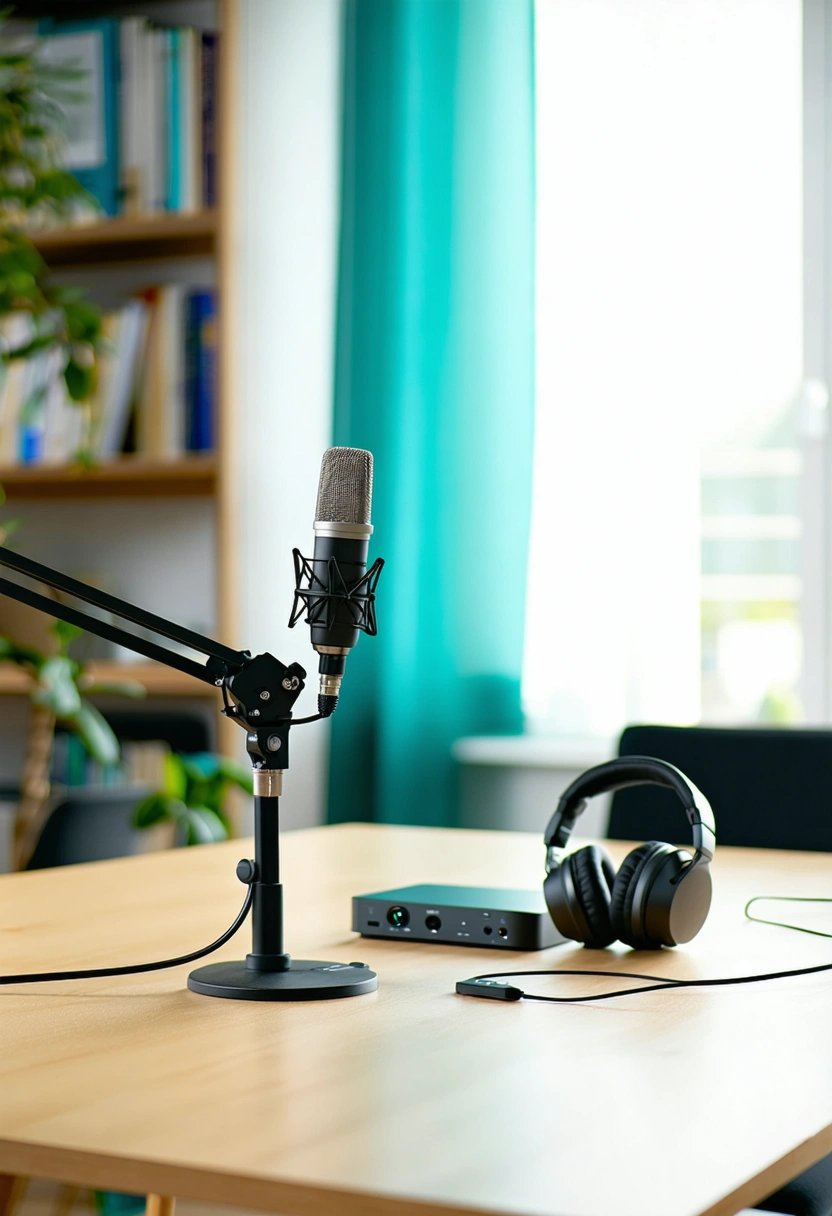
Kondensatormikrofone erfassen Nuancen feiner als dynamische Modelle — Stimmen wirken natürlicher und präsenter. Optimal für Audio-Interview, Podcast-Produktion und Voice-Over.
Das Audio-Interface wandelt das analoge Mikrofonsignal verlustfrei digital — mit 48 kHz und 24 Bit, dem Standard professioneller Audioproduktionen.
Für Video-Interviews: Kamera mit großformatigem Sensor — natürliche Tiefenschärfe, ausgeglichene Farben, klares Bild auch bei schwierigem Licht. Setup mit Drei-Punkt-Beleuchtung.
Im Videoschnitt und der Audiomontage verschwinden Störgeräusche, Atemgeräusche und unnötige Pausen; die Lautstärke wird normalisiert. Export als MP3, WAV, MP4 oder nach Wunsch.
Kein Studio nötig. Ich komme zu Ihnen oder wir arbeiten vollständig remote. Am Ende zählt eine fertige Datei, die Sie direkt nutzen können. Anfrage stellen →
Aufträge ausschließlich aus Deutschland. Vor Ort komme ich zu Ihnen — Wohnung, Büro, Besprechungsraum, solange der Raum ruhig ist. Für Audio-Produktionen, Schnitt oder Voice-Over bin ich vollständig remote erreichbar.
Remote heißt: Sie liefern Material oder Skript, ich das fertige Produkt — ohne persönliches Treffen.
Nein. Kondensatormikrofon, Audio-Interface, Kamera und Lichtsetup bringe ich mit — alles inklusive. Sie stellen lediglich einen ruhigen Raum bereit. Für Remote-Aufträge (Schnitt, Voice-Over) ist auch das nicht nötig.
Ausschließlich per Banküberweisung — nach Lieferung der fertigen Datei. Kein Vorschuss, kein PayPal, kein Zahlungsdienst. Die Konditionen besprechen wir vorab, damit es keine Überraschungen gibt.
Das richtet sich nach dem Projektumfang. Ein einfaches Audio-Interview: in der Regel 1–3 Werktage nach Aufnahme. Videoprojekte oder umfangreicher Videoschnitt etwas länger — den Zeitrahmen sprechen wir vorab ab.
Ja — für Schnittaufträge, Voice-Overs und reine Audioproduktionen vollständig per Remote. Sie schicken das Material, ich liefere das fertige Ergebnis. Eine persönliche Begegnung ist nicht nötig.
Das Format, das Sie benötigen. Audio: MP3 (192–320 kbps) oder WAV (24 Bit / 48 kHz). Video: MP4 in Full HD oder 4K. Weitere Formate auf Anfrage — ich passe den Export entsprechend an.
Auf Anfrage erhalten Sie Hörproben, Schnittbeispiele und Videoreferenzen — einfach über das Kontaktformular anfragen.
Beispiele anfordern